Keeping your dog safe, comfortable, and secure in their crate is one of the most important steps we can take as responsible pet owners. At Impact Dog Crates, we’ve seen firsthand how a well-maintained crate gives dogs a reliable den to relax in—and gives owners peace of mind, too.
To help you get the most out of your crate setup, we’ve put together this simple, step-by-step home safety audit. Whether your crate is brand new or has seen years of use, these checks will ensure it’s in top condition.
Inspect Structural Integrity
Start by looking at the overall condition of your crate. Even the strongest materials can weaken over time, especially if your pup loves to chew, dig, or shift their weight around. A quick visual scan and hands-on check can go a long way in spotting early signs of damage.
Aluminum crates like ours are built for durability, but no crate is maintenance-free. Regularly checking the frame helps catch potential issues before they affect your dog’s safety.
Here’s what to look for:
-
Bent or warped panels
-
Loose or missing rivets
-
Signs of corrosion or rust, especially at joints
-
Cracks in weld points or seams
-
Sharp edges from wear or impact
If your crate shows any of these signs, reach out to us for support or parts—we’re here to help keep your crate in service for the long haul.
Check Latches and Doors
Latches are your first line of defense against escapes. A door that doesn’t close flush or a latch that sticks can be a signal that it’s time for maintenance—or an upgrade.
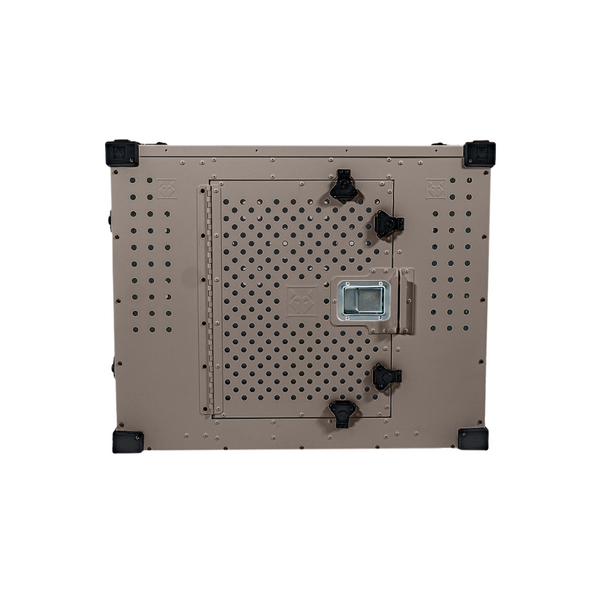
Open and close the door several times to feel for resistance. The latch should slide cleanly into place and hold firm under pressure. If your dog is a known escape artist, we also recommend inspecting the hinge alignment and door gap.
Watch for these common failure points:
-
Latch mechanisms that stick or don’t fully engage
-
Gaps wide enough for paws or snouts to slip through
-
Wobbly or misaligned hinges
-
Squeaks or grinding noises during use
-
Wear around the latch receiver or locking pin
If you're unsure whether your door setup is secure enough, explore options like our High Anxiety Dog Crate, designed specifically for determined dogs.
Verify Ventilation & Visibility
Dogs rely on good airflow to stay cool and comfortable—especially during warmer months or long travel days. Our crates are engineered with laser-cut ventilation holes for just this reason, but regular inspection is key to making sure nothing’s been blocked, damaged, or altered.
Use a flashlight to scan the inside and outside walls of the crate. Ensure no buildup of pet hair, debris, or bedding could affect air circulation. Also, look for any rough edges that could injure your dog.
Key things to check:
-
Vents are open and unobstructed
-
No sharp burrs or jagged metal around ventilation holes
-
Placement of vents allows for full-body airflow
-
No external items (baggage, blankets) covering vent panels
If your crate setup includes covers or accessories, ensure they don’t interfere with visibility or ventilation.
Assess Comfort & Accessories
Crate comfort isn’t just about adding a plush bed—it’s about ensuring everything inside stays securely in place and hygienic for your dog. A crate pad that slides or a fan with exposed wires can turn a cozy crate into a safety hazard.
Check each accessory individually and do a full sweep of the interior for cleanliness. Wipe down all surfaces and check that nothing has shifted out of place.
Important elements to assess:
-
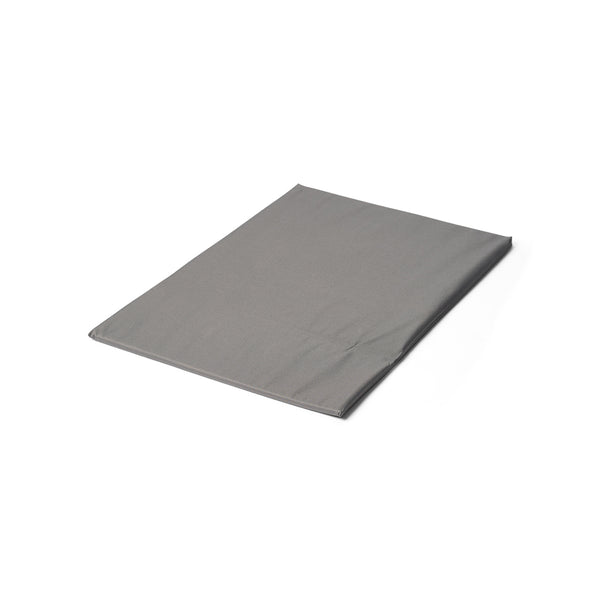
Pads or liners lie flat and cover the base fully
-
No loose threads, zippers, or torn fabric
-
Fans or cooling systems are securely mounted
-
Food/water bowl attachments are stable
-
Crate is free of lingering odors or moisture
For collapsible setups, be sure to review our Collapsible Crate Guide for accessory tips that work with your model.
Test Stability in Transit
If you ever travel with your dog, crate security in the vehicle is just as important as seatbelt safety. We recommend doing a “shake test” to simulate road movement and make sure your crate won’t tip, slide, or rattle during transport.
Place the crate in your vehicle’s designated spot and gently push from all angles. You should feel minimal movement. If your crate shifts, it may need better anchoring or a more level surface.
Here’s a basic checklist for transit readiness:
-
Crate is properly positioned—flat and centered in the cargo area
-
Tie-downs or straps are snug and attached to crate anchors
-
Rear doors/latches are accessible if needed in an emergency
-
No loose gear or items nearby that could shift into the crate
-
Vehicle ventilation reaches the crate area
Taking five minutes before each trip ensures your dog’s crate is a safe space on the move.
Why It Matters
Conducting a crate safety audit is one of the easiest ways to extend the life of your crate while protecting your dog’s well-being. We believe every dog deserves a secure and comfortable den, and every owner deserves confidence in their gear.
If your audit turns up concerns—or if you're simply ready to upgrade—we invite you to explore our full lineup of durable, secure crate options or take our Crate Quiz to find the right fit for your dog’s needs.