Bringing home a new puppy is equal parts joyful and nerve-wracking. You want them to grow up confident, curious, and friendly—but with so much advice out there, it’s hard to know where to start. How do you safely introduce them to the world without overwhelming them?
At Impact Dog Crates, we’ve worked with countless new puppy parents, and one thing we’ve seen again and again is this: crate training isn’t just about housebreaking. When used thoughtfully, it’s one of the most powerful tools you have to support healthy socialization.
Why Crate Training Matters in Socialization
Your puppy’s early development window—especially the first 3 to 16 weeks—is when their brain is most open to new experiences. Positive exposures during this stage lay the foundation for a well-adjusted adult dog. But here’s the catch: without structure and a sense of safety, new sights and sounds can backfire and cause fear.
That’s where the crate comes in. It acts as a familiar “home base,” a secure spot your pup can retreat to when the world feels big. Whether you’re at home or on the go, the crate helps manage stimulation levels and ensures your pup isn’t pushed too far, too fast.
Introducing the Crate in Early Exposure
To get the most out of crate-supported socialization, start by making the crate a place your pup loves. That means:
-
Choosing the right size so your pup can comfortably turn around and lie down
-
Adding cozy bedding, a favorite toy, or a long-lasting chew
-
Leaving the door open at first so they can explore at their own pace
-
Pairing the crate with treats and praise to create a positive association
When you head to puppy class, the vet, or even host visitors at home, the crate becomes your pup’s personal safe zone. It allows you to control their environment and give them a break before things become too much.
Step-by-Step Crate-Aided Socialization
Here’s how we recommend incorporating the crate into your puppy’s exposure sessions:
-
Let your pup relax in the crate for 10–15 minutes before introducing new people, places, or sounds
-
Bring the crate with you to new locations (like a friend’s house or a safe outdoor cafe) when possible
-
Keep interactions short and sweet; use the crate for breaks between bursts of stimulation
-
Reward your puppy with praise or a treat when they exit the crate calmly
-
Gradually increase the intensity of experiences—such as louder noises or busier environments—over time
Every pup is different, so you’ll want to adjust based on their reactions.
Troubleshooting & Best Practices
If your puppy whines, resists entering the crate, or seems nervous after new exposures, don’t worry. That’s totally normal, and it’s part of the learning process. We recommend:
-
Going back a step and reducing the intensity of the exposure
-
Using calming aids like a crate fan, snuffle mat, or soft music
-
Keeping sessions short—especially in the early weeks
-
Avoiding punishment; instead, reward calm behavior and crate use
Remember, confidence builds over time. What matters is consistency, patience, and keeping your pup’s experience positive.
Next Steps: Set Your Puppy Up for Success
When crate training and socialization work hand in hand, your puppy learns that the world isn’t so scary—it’s exciting, and it’s safe. That confidence will show up in every part of their life, from walks in the neighborhood to visits with friends and family.
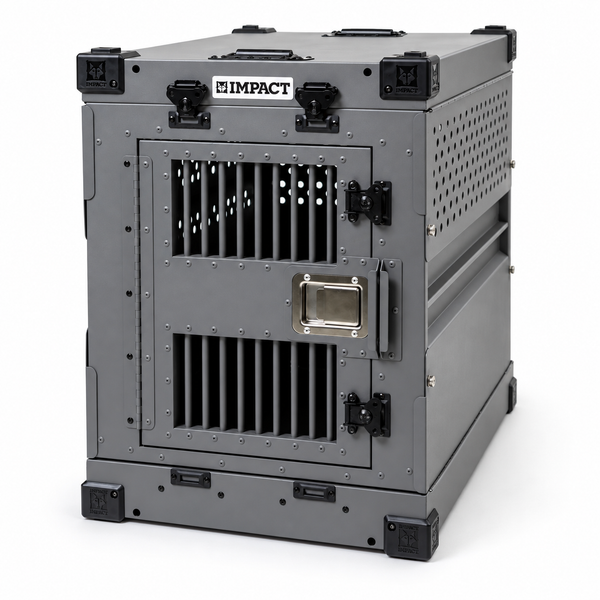
Ready to build the perfect den for your puppy? Explore our Crate Training Course and check out the Collapsible Dog Crate—designed with new adventures and growing pups in mind.